
RAIL MAINTENANCE
Planned rail maintenance – driving operational efficiency through asset reliability
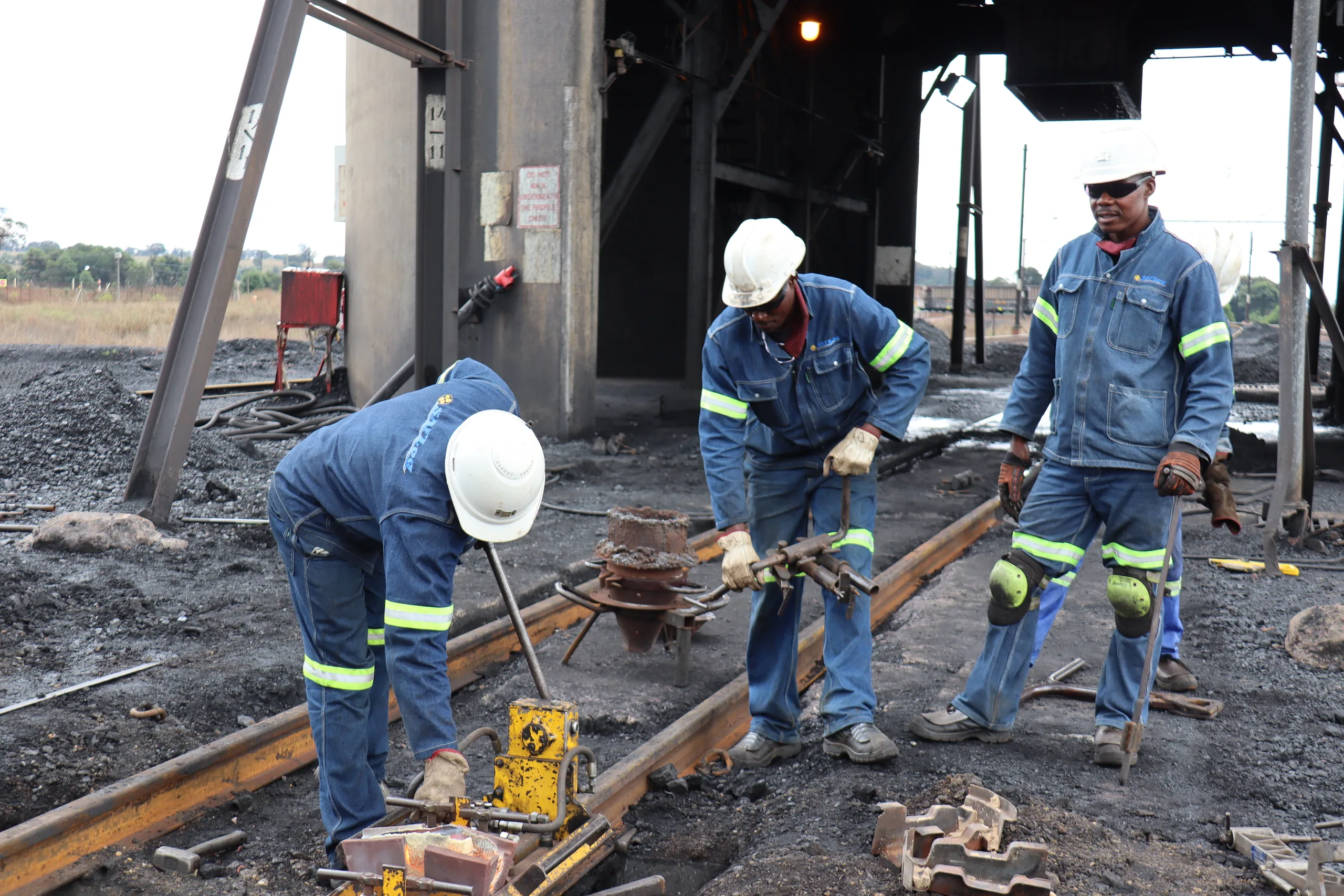
The importance of rail maintenance planning
The success of railway operations depends on the reliability and availability of rail infrastructure. Well-planned maintenance ensures that track assets remain safe, operational, and capable of supporting train movements without unnecessary delays or disruptions.
At SAFLog Railway Operations, rail maintenance planning is a critical component of operational excellence. Effective planning minimises failures, reduces downtime, improves safety performance, and ensures that customers receive reliable transport services across mining, ports, petroleum, cement, aggregate, and chemical industries.
Why planned maintenance matters
Rail infrastructure is subjected to continuous mechanical stress from train movements, axle loads, environmental conditions, and operational demands. Without proactive maintenance, small defects can rapidly develop into significant failures that impact safety and productivity.
A structured maintenance programme helps to:
- Ensure the safe movement of trains.
- Prevent costly infrastructure failures.
- Minimise operational disruptions.
- Extend the life of rail assets.
- Improve network reliability.
- Reduce emergency repair costs.
- Maintain compliance with regulatory requirements.
The cost of planned maintenance is significantly lower than the cost associated with derailments, line closures, emergency repairs, and lost production.
Key components of effective rail maintenance planning
Asset inspection and condition monitoring
Maintenance planning begins with understanding the condition of rail assets. Routine inspections enable maintenance teams to identify defects before they escalate into operational risks.
Condition monitoring provides valuable data that assists planners in identifying emerging trends and prioritising maintenance activities.
Preventative maintenance scheduling
Preventative maintenance focuses on performing work before failures occur. Maintenance schedules should be based on operating conditions, tonnage carried, inspection results, and manufacturer recommendations.
Planned interventions reduce the likelihood of service interruptions and maintain infrastructure integrity.
Prioritising high-risk infrastructure
Not all rail assets present the same level of operational risk. Maintenance planning should prioritise infrastructure that has the greatest impact on safety and operational continuity.
A risk-based approach allows maintenance resources to be directed where they will have the greatest operational benefit.
Integrating maintenance with operations
One of the most important aspects of maintenance planning is coordinating activities with operational requirements.
Maintenance planners and operations teams should work together to:
- Schedule maintenance during low-traffic periods.
- Establish possession windows for track access.
- Minimise disruption to customer services.
- Coordinate train movements around maintenance activities.
- Develop contingency plans for unexpected infrastructure failures.
Close collaboration ensures infrastructure reliability without compromising operational performance.
Resource planning and readiness
Successful maintenance execution depends on having the necessary resources available when required.
This includes:
- Competent maintenance personnel.
- Track maintenance equipment.
- Rail handling machinery.
- Approved contractors.
- Spare materials and components.
- Adequate budgeting and procurement support.
Proper preparation prevents delays and ensures maintenance work can be completed safely and efficiently.
Measuring maintenance success
Maintenance effectiveness should be monitored using key performance indicators such as:
- Track availability.
- Number of track defects identified.
- Emergency maintenance call-outs.
- Infrastructure-related train delays.
- Safety incidents.
- Maintenance compliance rates.
- Asset life-cycle performance.
Monitoring these indicators enables continuous improvement and better maintenance planning decisions.
Building a culture of proactive maintenance
Effective rail maintenance extends beyond work schedules and inspections. It requires a culture where every employee actively contributes to the care and preservation of rail infrastructure.
Employees should be encouraged to:
- Report track defects immediately.
- Adhere to maintenance procedures.
- Participate in ongoing training.
- Focus on safety and quality workmanship.
- Continuously seek opportunities for improvement.
A proactive maintenance culture strengthens operational resilience and contributes directly to long-term business success.
Conclusion
At SAFLog Railway Operations, planned rail maintenance is fundamental to achieving safe, reliable, and efficient operations. Through proactive inspections, preventative maintenance strategies, risk-based planning, and strong collaboration between maintenance and operations teams, rail infrastructure can continue to support customer requirements while maintaining the highest standards of safety and performance.
Reliable rail infrastructure is not achieved by reacting to failures. It is achieved through disciplined planning, effective execution, and a commitment to maintaining assets before problems arise. When maintenance is planned correctly, operational efficiency becomes a natural outcome, ensuring SAFLog remains a trusted provider of railway logistics solutions throughout Southern Africa.